How to plan your Product Analytics implementation (before your dev team writes a single event)
After rolling out Mixpanel with 50+ startups across LatAm, the pattern is clear: teams that skip the planning phase pay for it later in messy data, broken metrics, and zero trust in dashboards. Here's the framework we use to prevent it.
The most common mistake: instrumenting before planning
The most common mistake we see is engineering teams jumping straight into instrumenting events without going through a proper planning phase.
When that phase gets skipped, the same symptoms show up every time:
High costs and an unusable tool
Tracking every possible user action in the product floods Mixpanel with noise. Costs go up, and the tool becomes harder to actually work with.
Metrics you can't build
When it's time to answer a real business question, you find out that key events or properties are missing. Engineering has to instrument new things — and the loop gets long.
Misaligned teams, untrusted data
Each data source (Web, Android, iOS, backend) is integrated by a different team. Without shared definitions, event names diverge, semantics drift, and nobody trusts the dashboards.
Who needs to be in the planning phase
Before a single line of code gets written, the business side — Product, Marketing, Growth, or whoever will actually use Mixpanel — needs to sit down and define, in this order:
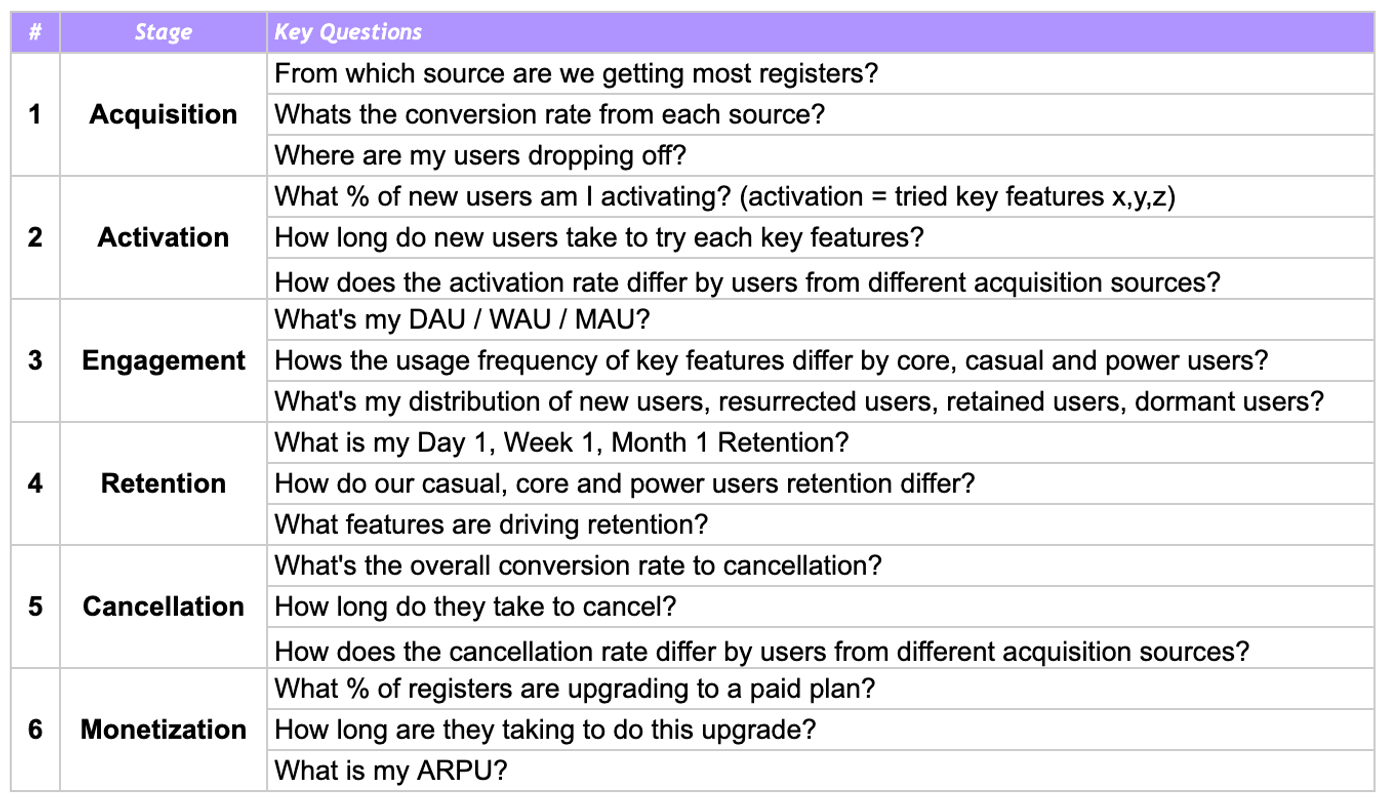
1. What business questions you want to answer
Concrete use cases. Not "we want to understand our users," but "we want to know what percentage of users activate feature X in their first week."
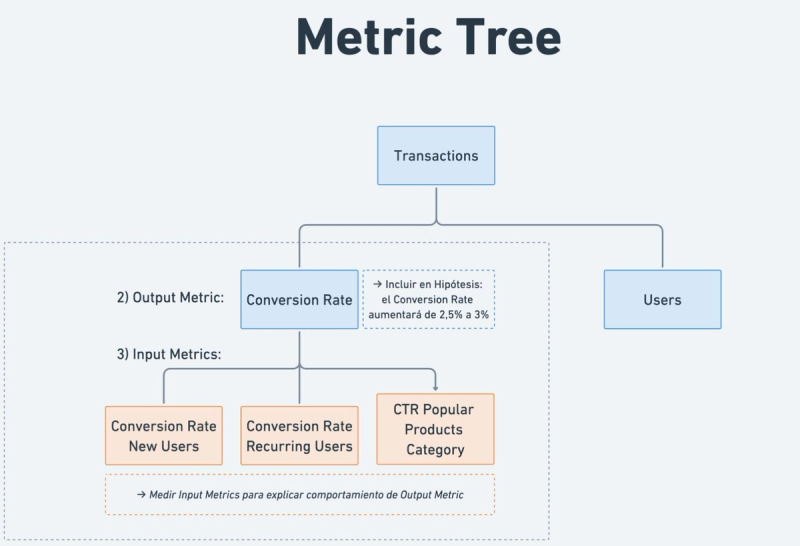
2. What metrics you need to answer them
For each question, what metrics do you need to be able to build in Mixpanel. This is the what of measurement, not the how.
3. What events and properties you need to build those metrics
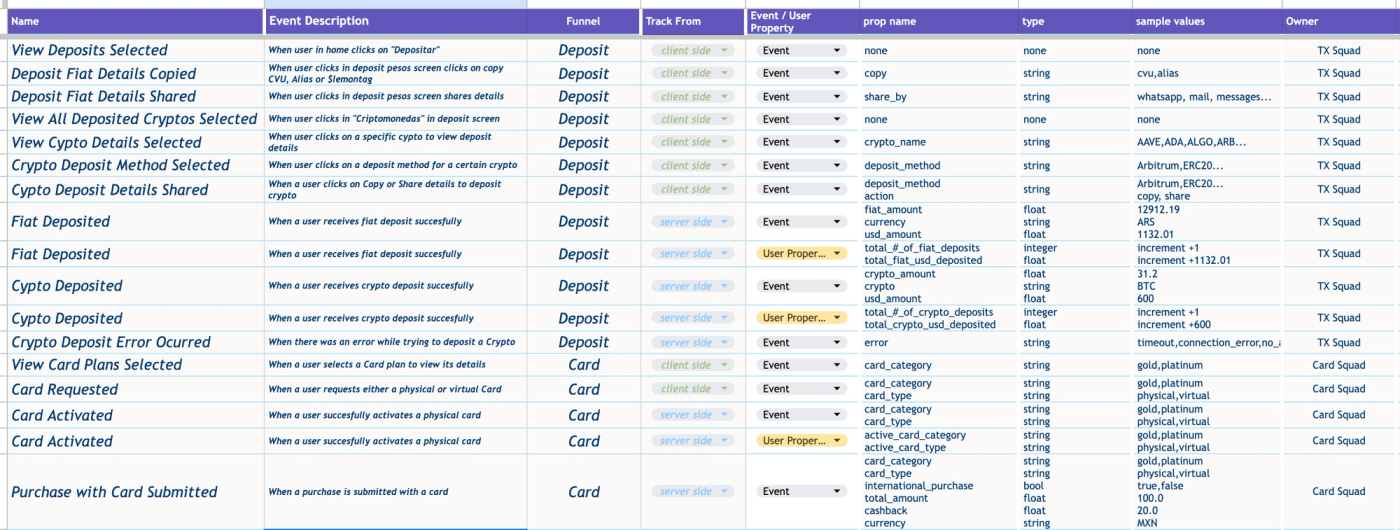
Only at this step do we drop down to the tracking layer: which events to fire, which event and user properties to attach, who owns the instrumentation of each.
The output: a Tracking Plan
The output of this planning is a Tracking Plan — a living document specifying, for every event the engineering team will track: name, definition, trigger, associated properties, and owner.
It's not a spreadsheet you fill once and archive. It evolves every time the product changes or new business questions show up.
The framework we recommend
There are several frameworks for getting to a solid Tracking Plan. Ours is Key Entities & Activities: identify the core entities of your product (user, organization, transaction, content…) and the key activities that happen on them. Events and properties fall out naturally from there.
We'll go deeper on this framework in upcoming posts. Stay tuned.
Closing thought
Skipping the planning phase feels faster up front. But the technical debt of a poorly thought-out tracking setup compounds for years: in tool costs, in migration projects, in analysts wrestling with data every time they need to answer something new.
A week of planning saves months of rework.